How to Help an Overheated Dog: Signs Every Dog Parent Should Know This Summer
☀️ Summer Dog Safety Series
〰️
☀️ Summer Dog Safety Series 〰️
There's nothing better than long summer days spent outside with our dogs. Whether you're camping, hiking, exploring a new trail, or simply relaxing in the backyard, it's easy to get caught up in the fun. But while we're reaching for another bottle of water, our dogs are relying on us to recognize when they're getting too hot.
1. Why Dogs Overheat So Quickly
Dogs overheat much faster than people because they aren't able to sweat like we do. Instead, they regulate their body temperature by panting and releasing heat through the pads of their paws. When they're exposed to hot conditions for too long, their bodies can quickly become overwhelmed, leading to heatstroke.
As a dog's body temperature begins to rise, their body works overtime to cool itself by increasing blood flow to the tongue and gums while panting more heavily. If they can't cool down, overheating can quickly progress to heatstroke. Recognizing the early warning signs can make all the difference and help prevent a life-threatening emergency.
2. Signs Your Dog Is Overheating
Knowing the early warning signs of overheating can help you take action before the situation becomes an emergency.
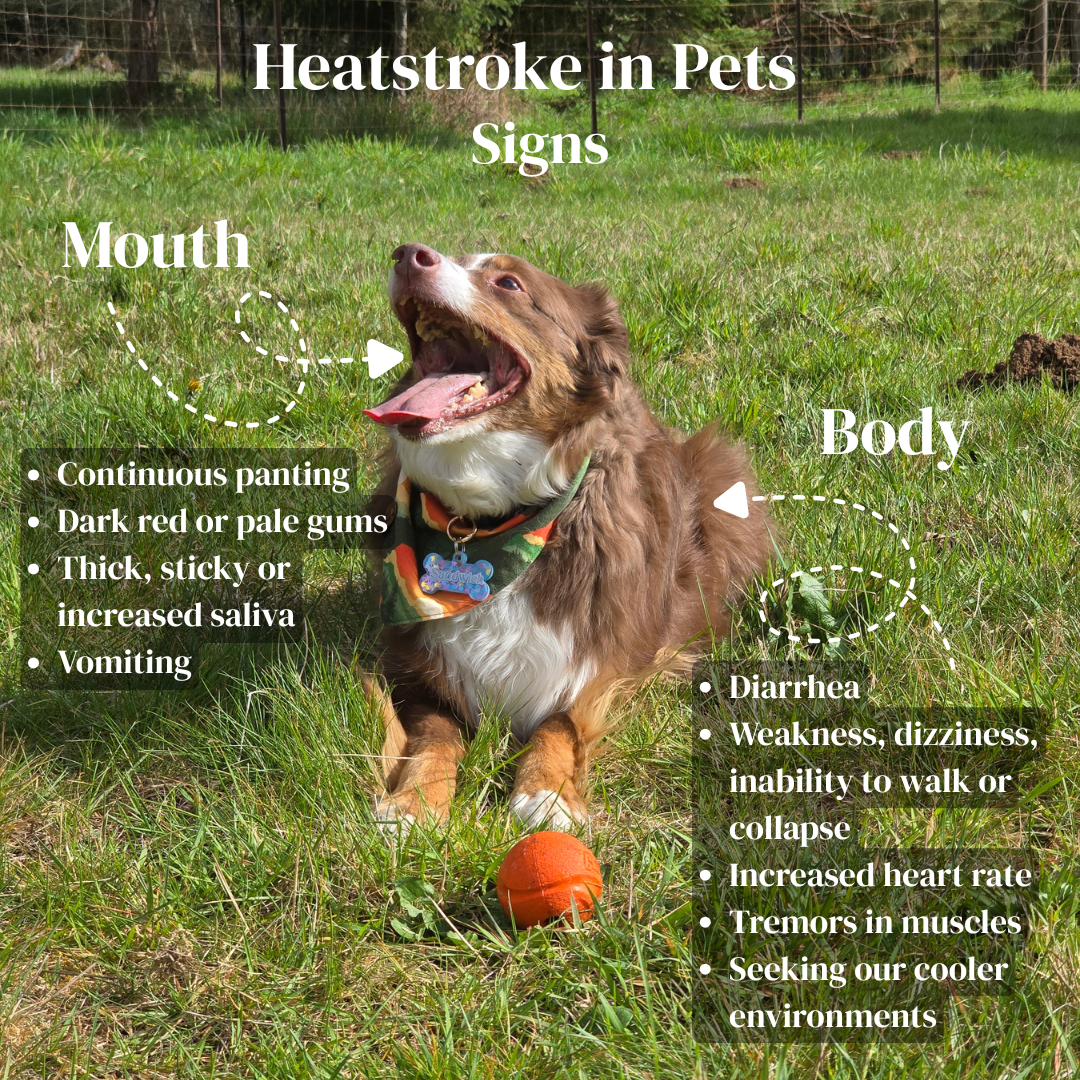
Common signs of overheating include:
Excessive or frantic panting
Heavy drooling or thick, sticky saliva
Bright red gums or tongue
Rapid or labored breathing
Weakness, stumbling, or difficulty standing
Vomiting or diarrhea
As heatstroke progresses, dogs may also become disoriented, collapse, have seizures, or lose consciousness. These are medical emergencies and require immediate veterinary care.
3. What to Do If Your Dog Is Overheating
If you suspect your dog is overheating or experiencing heatstroke, acting quickly can make all the difference. While you're cooling them down, have someone contact your veterinarian or the nearest emergency animal hospital so they can prepare for your arrival.
Move your dog to a cool area.
Immediately get them out of the sun and into an air-conditioned room or a shaded, well-ventilated space.
Use cool—not ice-cold—water.
Gently pour cool water over your dog's body. Avoid using ice or freezing water, as extreme cold can cause blood vessels to constrict, making it harder for trapped body heat to escape. Focus on areas where the skin is thinner, such as the chest, armpits, groin, and inner thighs.
Increase airflow.
Place your dog in front of a fan or air conditioner to help the cool water evaporate more efficiently. Never place an overheated, wet dog in a closed crate or enclosed space without airflow, as this can trap heat and create a dangerous sauna-like environment.
Offer small amounts of water.
If your dog is awake, alert, and able to swallow normally, offer small sips of cool water or a few ice chips. Never force water into their mouth, as this can lead to choking or aspiration.
Monitor their temperature if possible.
If you have a pet thermometer, check their temperature periodically. Once it drops below 103°F (39.4°C), stop active cooling to avoid lowering their body temperature too much.
Seek veterinary care immediately.
Even if your dog seems to recover, heatstroke can cause serious internal damage that isn't always visible. Organ damage, dehydration, and blood clotting abnormalities can develop hours after the initial event. Every dog suspected of heatstroke should be examined by a veterinarian as soon as possible.
4. How to Prevent Heatstroke
The best way to protect your dog from heatstroke is to prevent them from becoming overheated in the first place. A little planning can go a long way toward keeping summer adventures fun and safe.
Never leave your dog in a parked vehicle.
Even with the windows cracked, temperatures inside a vehicle can climb to dangerous—and even fatal—levels within minutes.
Walk during the coolest parts of the day.
Early mornings and evenings are much safer than the hottest afternoon hours. Don't forget to check pavement temperatures before heading out.
Always provide fresh water and shade.
Whether you're hiking, camping, or spending time in the backyard, make sure your dog has regular access to clean drinking water and a cool place to rest.
Take frequent breaks.
Dogs don't always know when to stop playing. Build in rest breaks, especially during hikes, fetch sessions, or other high-energy activities.
Be mindful of high-risk dogs.
Puppies, senior dogs, overweight dogs, flat-faced breeds (such as Pugs, Bulldogs, Boston Terriers, and Shih Tzus), and dogs with heart or respiratory conditions are more susceptible to overheating.
Know your dog's limits.
Every dog tolerates heat differently. Pay attention to changes in their energy level, panting, or behavior, and don't hesitate to end an outing early if they seem uncomfortable.
5. Quick Summer Safety Checklist
Before heading outside with your dog, take a moment to run through this quick checklist:
✅ Bring plenty of fresh water and a portable bowl.
✅ Plan walks or hikes for the early morning or evening.
✅ Make sure shade is available during breaks.
✅ Watch for signs of overheating throughout your outing.
✅ Take frequent rest breaks, especially during play or exercise.
✅ Never leave your dog unattended in a parked vehicle.
✅ Know the location of the nearest emergency veterinary clinic if you're traveling or camping.
6. Enjoy Summer Adventures Safely
Summer is one of the best times to get outside with your dog—whether you're camping, exploring new trails, relaxing by the lake, or simply enjoying a walk around the neighborhood. With a little preparation and by recognizing the early signs of overheating, you can help keep every adventure safe and enjoyable.
At Bijoux & Sandwich, we believe the best memories are made outdoors. By planning ahead, packing plenty of water, and putting your dog's comfort first, you'll be ready to enjoy all that summer has to offer—together.
Stay safe, stay hydrated, and make every adventure one worth wagging about.
🐾 Summer Dog Safety Series
This article is the first in our Summer Dog Safety Series, where we'll share practical tips to help you and your pup enjoy every outdoor adventure safely.
Coming soon:
☀️ How Hot Is Too Hot to Walk Your Dog?
🏕️ Camping With Dogs: Summer Safety Tips We Never Skip
🎒 The Ultimate Dog Adventure Packing Checklist
🐾 Protecting Your Dog's Paws from Hot Pavement