🍁 Fall Hazards Every Dog Parent Should Know
🍁 Fall Dog Adventure & Safety Series
〰️
🍁 Fall Dog Adventure & Safety Series 〰️
🍁 The Ultimate Fall Adventure Guide for Dogs
Fall might just be one of the best seasons to adventure with our dogs. The air is cooler, the trails are quieter, the leaves are changing, and after a long, hot summer, those crisp mornings make us want to grab the leashes and spend as much time outside as possible.
But fall adventures come with their own set of things to think about. The trails we walked all summer start to change—daylight disappears earlier, wet leaves make familiar paths slippery, creeks and lakes get colder, wildlife activity changes, and mushrooms seem to pop up overnight. Even an innocent-looking pile of leaves can hide things we'd rather our dogs not investigate.
So we're kicking off our fall series with The Ultimate Fall Adventure Guide for Dogs—a guide to getting outside, staying prepared, and knowing about some of those fall hazards that are easy to overlook.
Because fall isn't about keeping our dogs inside. It's about knowing what to watch for so we can get outside, get muddy, explore the trails, and enjoy every bit of this beautiful season together. 🍂🥾🐕
🎒 BEFORE YOU GO: Pack for Fall, Not Summer
If you already have a dog adventure bag, fall is a good time to give it a seasonal refresh.
The days are getting shorter, temperatures can change quickly, and trails that were dry and predictable all summer may suddenly be wet, muddy, or covered in leaves.
A few things worth having along:
Fresh water and a collapsible bowl
Leash and harness
Reflective or light-up gear
Flashlight or headlamp
Dog first-aid supplies
Tick remover
Towel
An extra layer for dogs who get cold
High-visibility gear if you're exploring during hunting season
Fully charged phone
Current ID tags and/or GPS tracker
Waste bags
And before you head out, check sunset time. A hike that gave you plenty of daylight in July can have you walking back to the car in the dark by fall.
🥾 ON THE TRAIL
This is where fall gets gorgeous—and where paying a little extra attention matters.
🍂 What's Under Those Leaves?
A trail covered in leaves can look picture-perfect, but wet leaves can be incredibly slippery. They can also hide roots, holes, sharp rocks, sticks, broken glass, or uneven ground.
Take a little extra care with puppies, senior dogs, dogs recovering from injuries, or dogs who aren't quite as sure-footed as they once were.
Leaf piles deserve some attention too. Damp, decomposing leaves can develop mold, and piles can become contaminated with wildlife feces, urine, or standing water. That can potentially expose curious dogs to parasites or bacteria that cause gastrointestinal illness.
And we all know there's always that dog who thinks sticking their entire face into the mystery pile is absolutely necessary.
🍄 The Mushrooms Have Arrived
Fall rain and cooler temperatures can mean mushrooms everywhere—along trails, in campgrounds, under trees, and sometimes right in our own yards.
Some wild mushrooms are harmless. Others can cause vomiting and diarrhea, neurological symptoms, liver or kidney damage, or even death.
The difficult part?
Toxic and non-toxic mushrooms can look remarkably similar.
Our friend regularly goes mushroom hunting with her dog and shared some photos of mushrooms they've encountered while exploring. They give us a perfect real-world example of just how different fall mushrooms can be.
🎃 Jack-o'-Lantern Mushrooms
With their beautiful orange color, Jack-o'-lantern mushrooms certainly look like they belong in fall.
Unfortunately, they're toxic when eaten and can cause significant gastrointestinal illness, including vomiting, abdominal pain, and diarrhea.
They're also sometimes confused with edible chanterelles—another reason we shouldn't rely on a quick visual identification when our dogs find a mushroom.
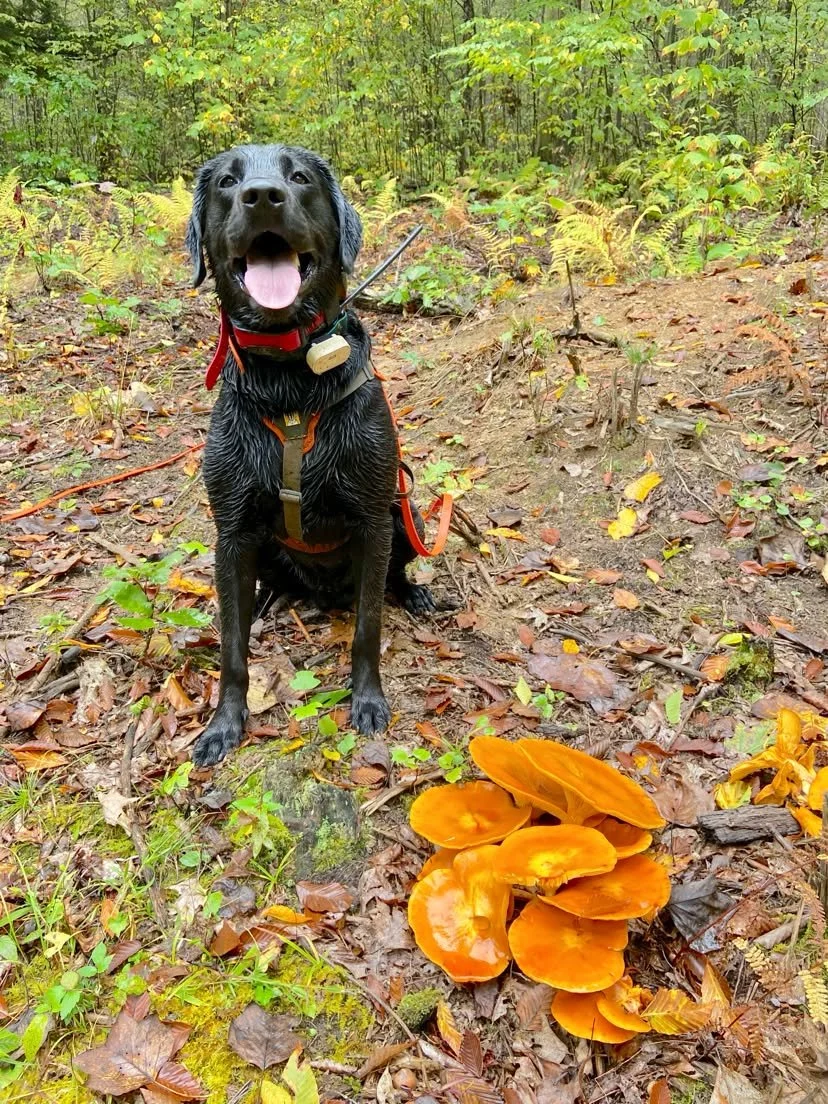
Lord Loxley identifies a Jack-O’-Lantern Mushroom
These toxic mushrooms are only toxic once ingested. Lox is a great boy and never wants to lick or eat them. His peasant pawrents make sure to supervise him well on their hunts!
🍄 Shaggy Manes
Shaggy mane mushrooms have a distinctive tall, white, shaggy appearance when young. As they mature, they darken and begin to break down into an almost inky-looking liquid.
Properly identified young shaggy manes are generally considered edible for people, but that doesn't mean our dogs should be allowed to sample them.
Wild mushrooms can be misidentified, and even mushrooms that aren't considered poisonous aren't necessarily going to agree with your dog's stomach.
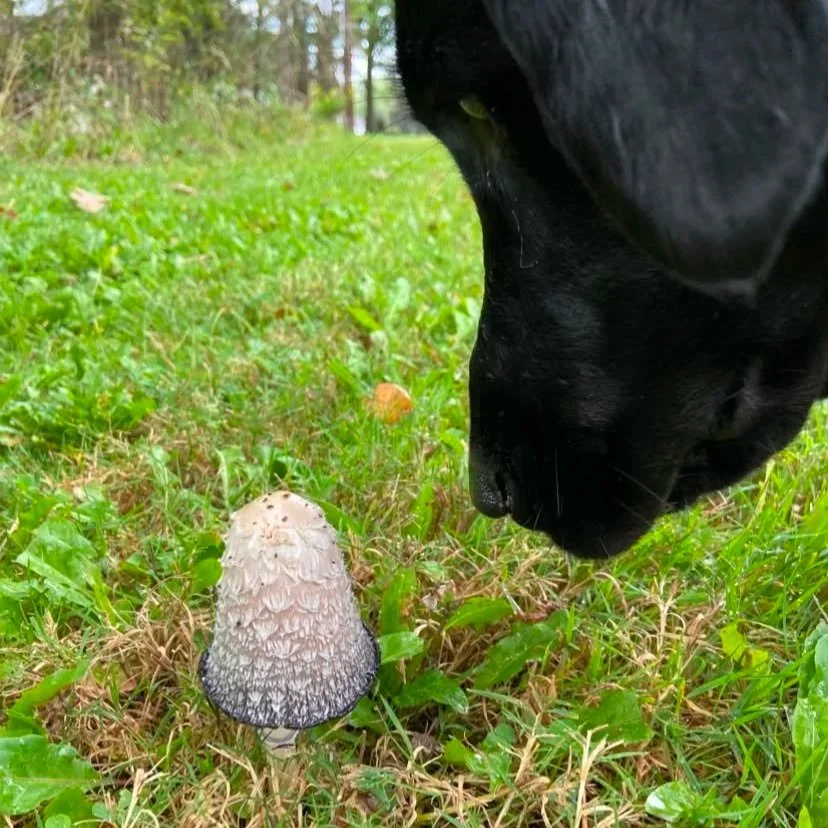
Lord Loxley identifies a Shaggy Mane Mushroom
Young, correctly identified shaggy manes are considered edible for people, but that doesn't mean they belong on your dog's trail menu. Wild mushrooms can be misidentified, and eating them may still cause stomach upset in dogs.
The safest rule for our four-legged mushroom hunters: look, sniff, and keep walking—no taste testing! 🍄🐾
And What About Puffballs?
Puffballs are another great example of why mushroom identification can get tricky.
Some true puffballs are edible when young, but other mushrooms—including potentially dangerous species in their immature stage—can resemble puffballs from the outside.
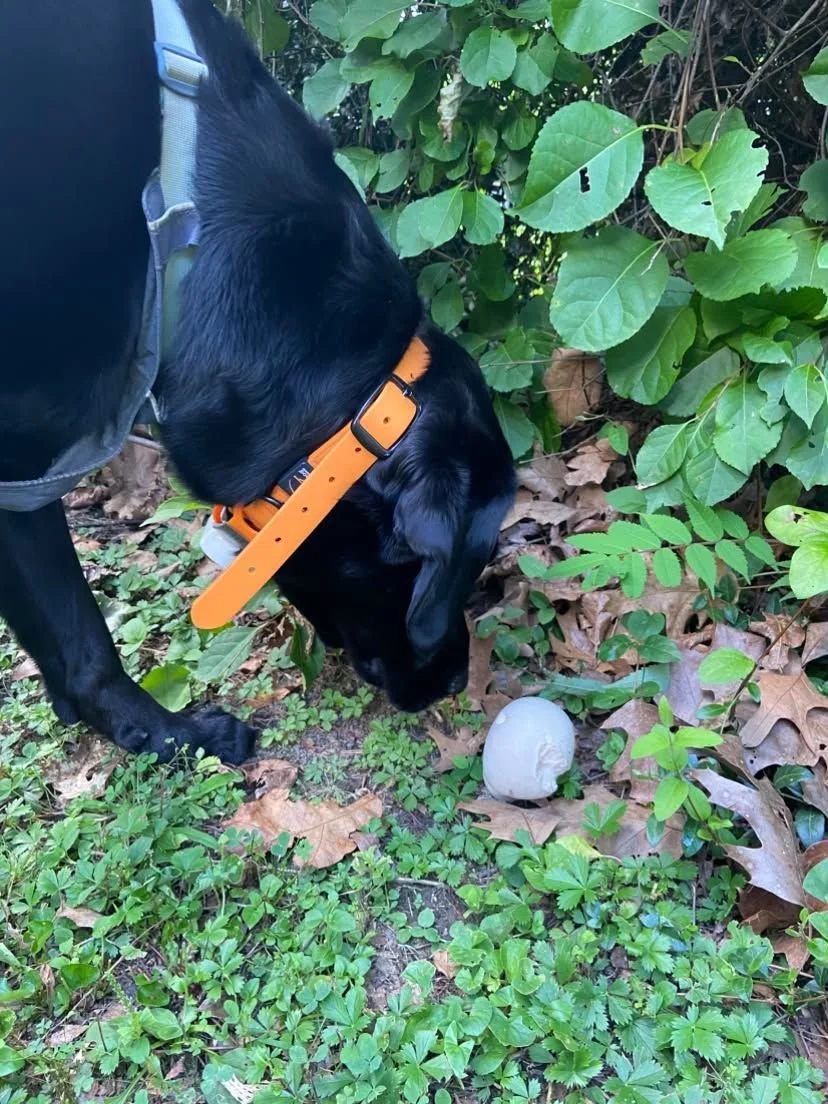
Lord Loxley identifies a Puff Ball Mushroom
Some true puffball species are considered edible for people when they're young, firm, and completely white inside. As they mature, the interior darkens and develops into a mass of spores. But because immature toxic mushrooms can resemble puffballs—and wild mushrooms can be difficult to identify—the safest rule is to never let your dog eat a wild mushroom.
The takeaway isn't that dog parents need to become mushroom experts.
It's actually the opposite.
Treat every unidentified wild mushroom as potentially toxic and don't let your dog eat it.
If your dog does eat a wild mushroom, take photos of the mushroom and surrounding area if you can safely do so and contact your veterinarian or a pet poison service promptly. Don't wait for symptoms before asking for advice.
🌰 Watch the Ground: Acorns, Walnuts & Other Fall Finds
Mushrooms aren't the only things falling onto the trail.
Acorns can cause stomach upset when eaten, and swallowing larger pieces or large quantities can potentially lead to an intestinal blockage.
Another one worth knowing about is moldy black walnuts. Certain molds that grow on decomposing walnuts can produce tremorgenic toxins capable of causing serious neurological symptoms.
For dogs who consider sticks, pinecones, nuts, berries, and unidentified forest objects part of an all-you-can-eat trail buffet, fall requires a little extra supervision.
🦌 Wildlife & Hunting Season
We're not the only ones enjoying the cooler weather.
Depending on where you're exploring, fall can mean increased encounters with deer, elk, coyotes, bears, and other wildlife.
It's also hunting season in many areas.
When you're exploring places where hunting is permitted, brightly colored or high-visibility gear for both you and your dog is a smart addition to your adventure gear.
Keeping dogs close is important around wildlife, too.
Even a dog with fantastic recall may suddenly develop selective hearing when a deer bolts across the trail.
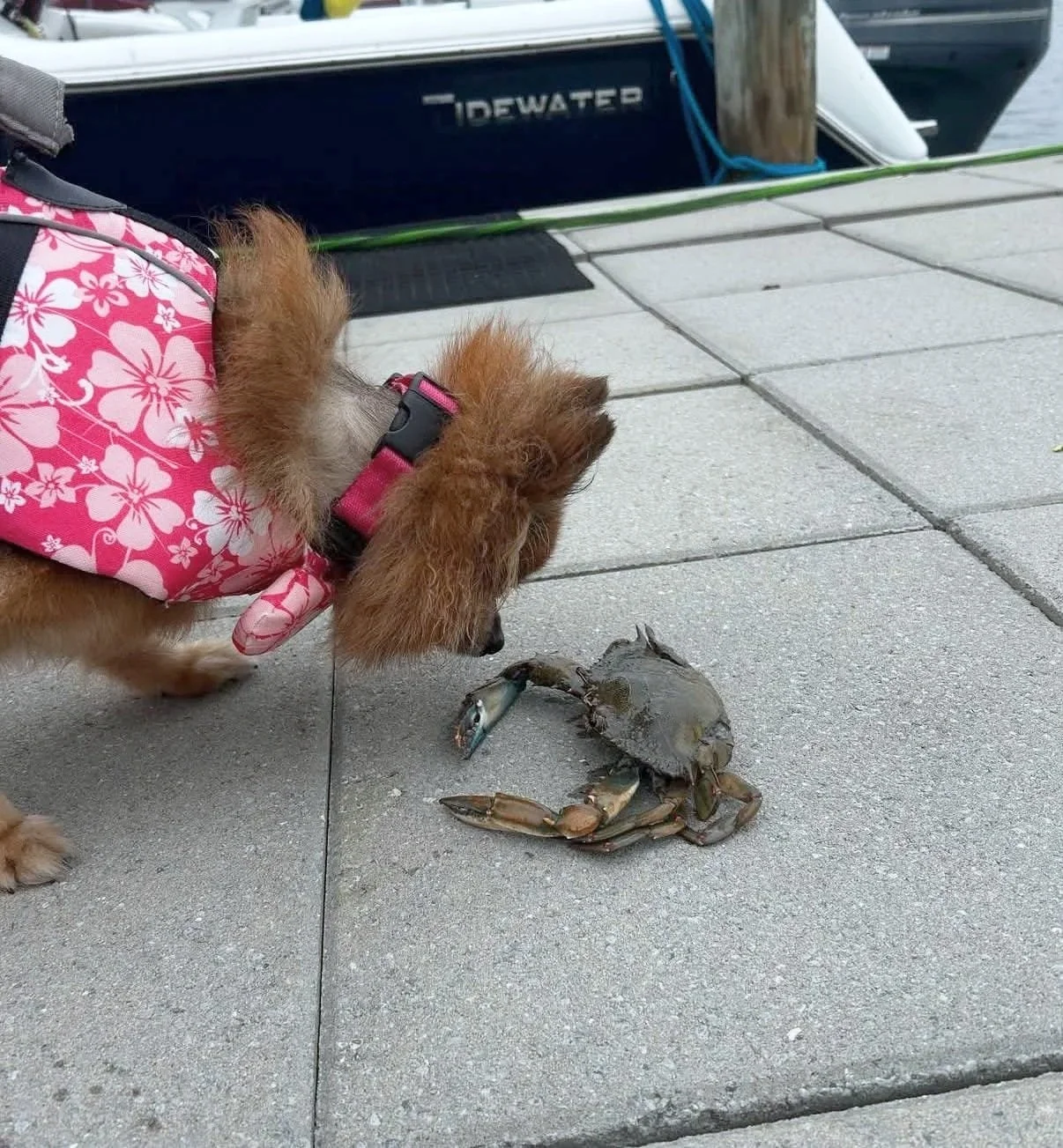
Ambassador Riley meeting a new friend
Curiosity can lead to some interesting trail encounters! 🦀🐾 Keep a close eye on your dog around wildlife—even the smallest critters may pinch, bite, sting, or defend themselves when a curious nose gets too close.
🕷️ Don't Put Away the Tick Protection Yet
Cooler weather doesn't necessarily mean ticks have disappeared.
Ticks can remain active well into fall, depending on the species and local conditions.
After spending time in wooded areas or tall grass, check your dog carefully—especially:
Around the ears • under the collar • armpits • groin • between the toes
Talk with your veterinarian before deciding when—or whether—to stop seasonal parasite prevention.
🌊 That Water Is Colder Than It Looks
A dog who happily launched themselves into the lake all summer probably isn't checking the water temperature before doing it again in October.
But colder water can quickly affect a dog's body temperature, coordination, and ability to swim.
Puppies, seniors, small dogs, thin-coated dogs, and dogs with certain health conditions may become cold particularly quickly.
As temperatures drop:
Keep swims shorter, consider a properly fitted canine life jacket, and have towels and a warm place waiting afterward.
And remember that blue-green algae can still be a concern. Never assume cooler weather automatically makes questionable water safe.
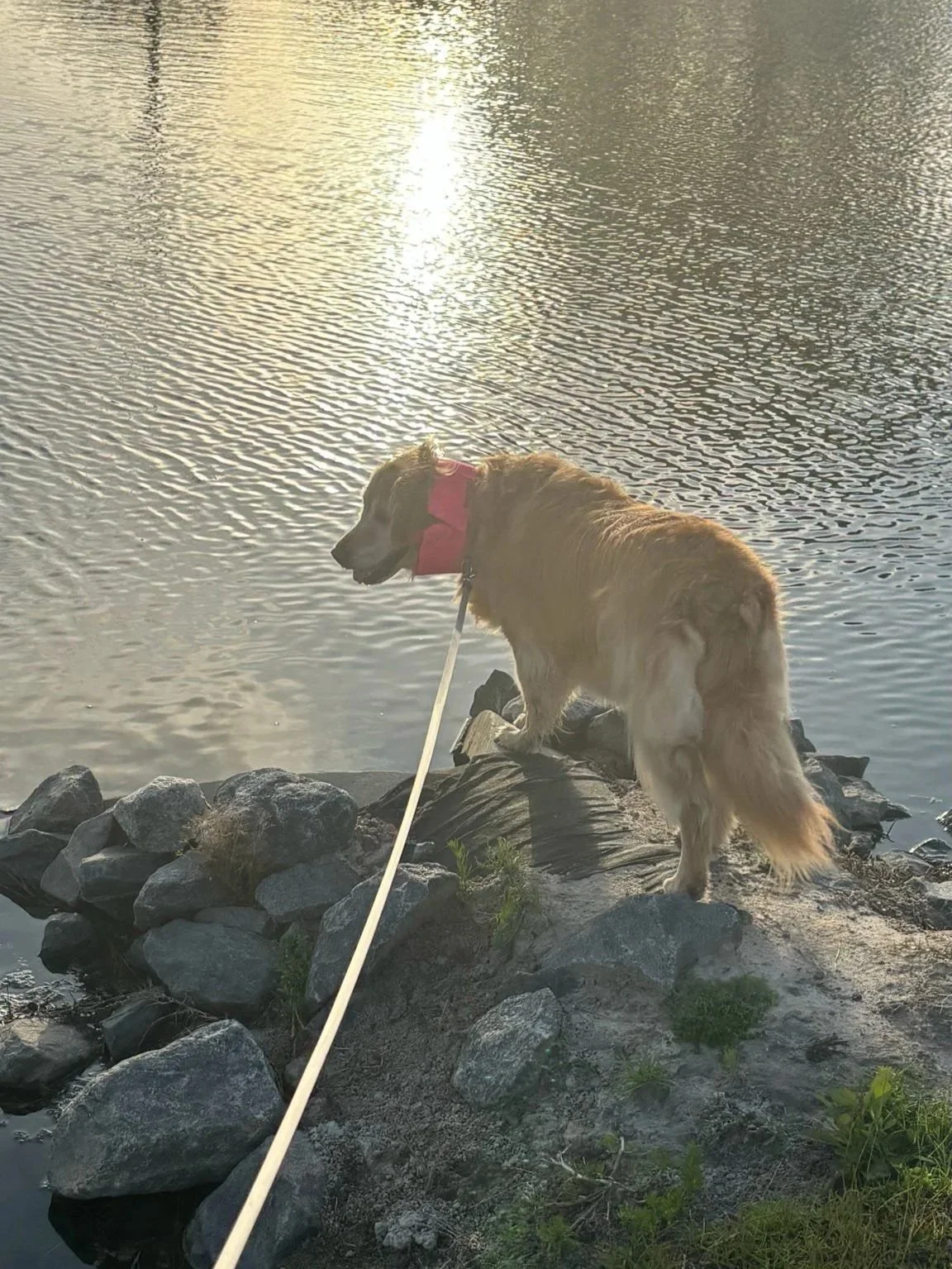
Ambassador Rose enjoys an evening by the water
Cold Water Caution: As temperatures drop, lakes, rivers, and creeks cool down much faster than you might expect. A dog can become dangerously chilled surprisingly quickly. Wet fur also continues pulling heat away from the body after they get out. Keep fall swims short, watch for shivering, slowing down, weakness, or reluctance to move, and always have a towel and warm, dry place ready after water play.
🏡 FALL HAZARDS AREN'T JUST ON THE TRAIL
Some of the biggest seasonal dangers may actually be waiting at home.
🍎 Moldy Fruit, Compost & Yard Cleanup
Fall yard cleanup can create exactly the kind of pile our dogs find irresistible.
Compost, decomposing vegetation, discarded food, and fallen fruit can develop mold. Certain molds produce toxins that can cause vomiting, agitation, tremors, seizures, and other serious symptoms.
Fallen fruit presents another interesting risk.
As fruit ferments, it can produce alcohol. A dog who eats enough fermenting fruit can actually develop alcohol poisoning.
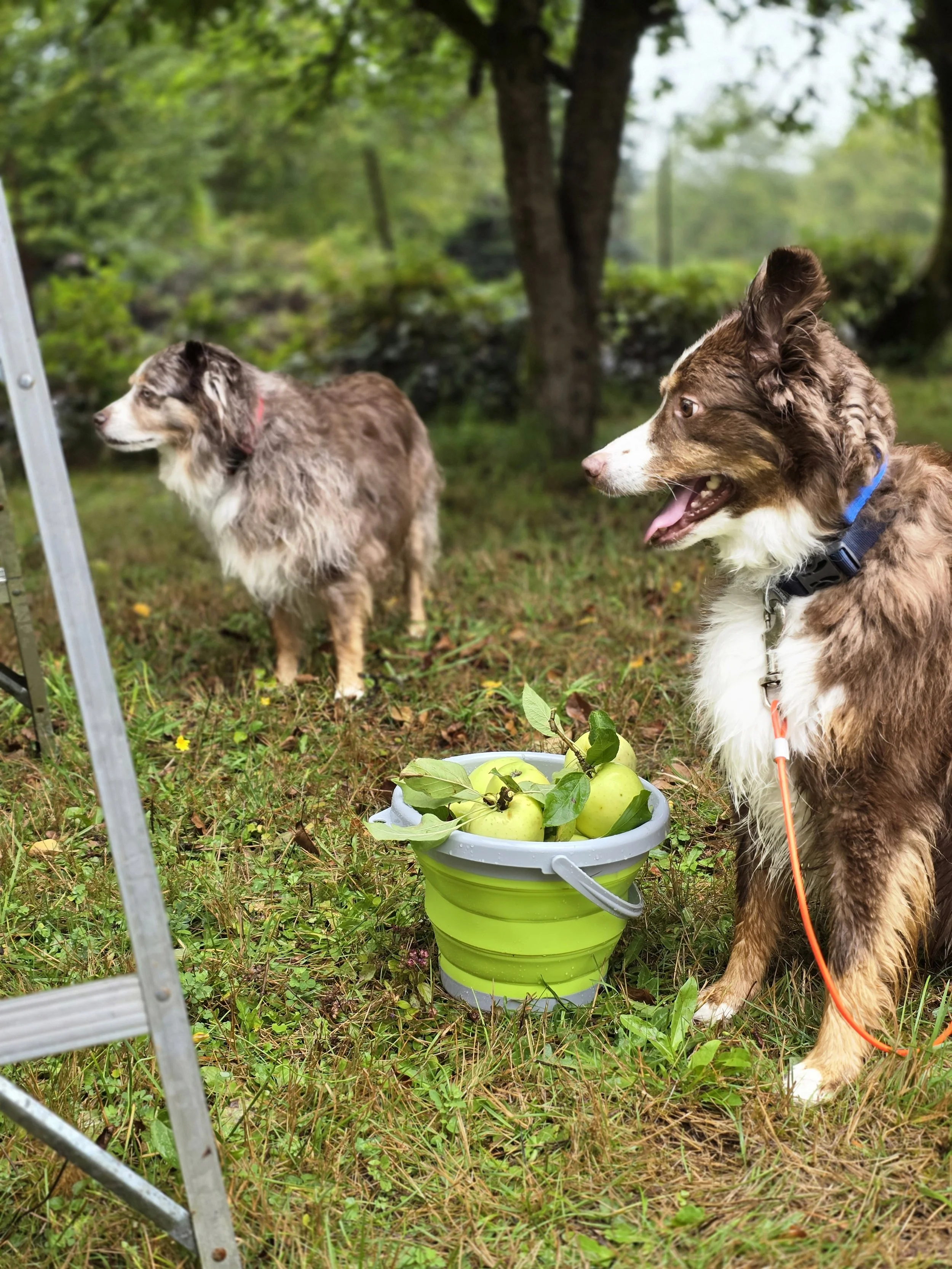
Bijoux and Sandwich assist with apple picking
🍎 Keep Up With Fallen Fruit
If you have fruit trees, pick ripe apples regularly and clean up what falls—or what the deer knock down and leave behind. Fruit left on the ground can begin to rot and ferment, attract wildlife and insects, and become an irresistible snack for curious dogs. A quick orchard cleanup can prevent a lot of unwanted taste-testing! 🍎🐾
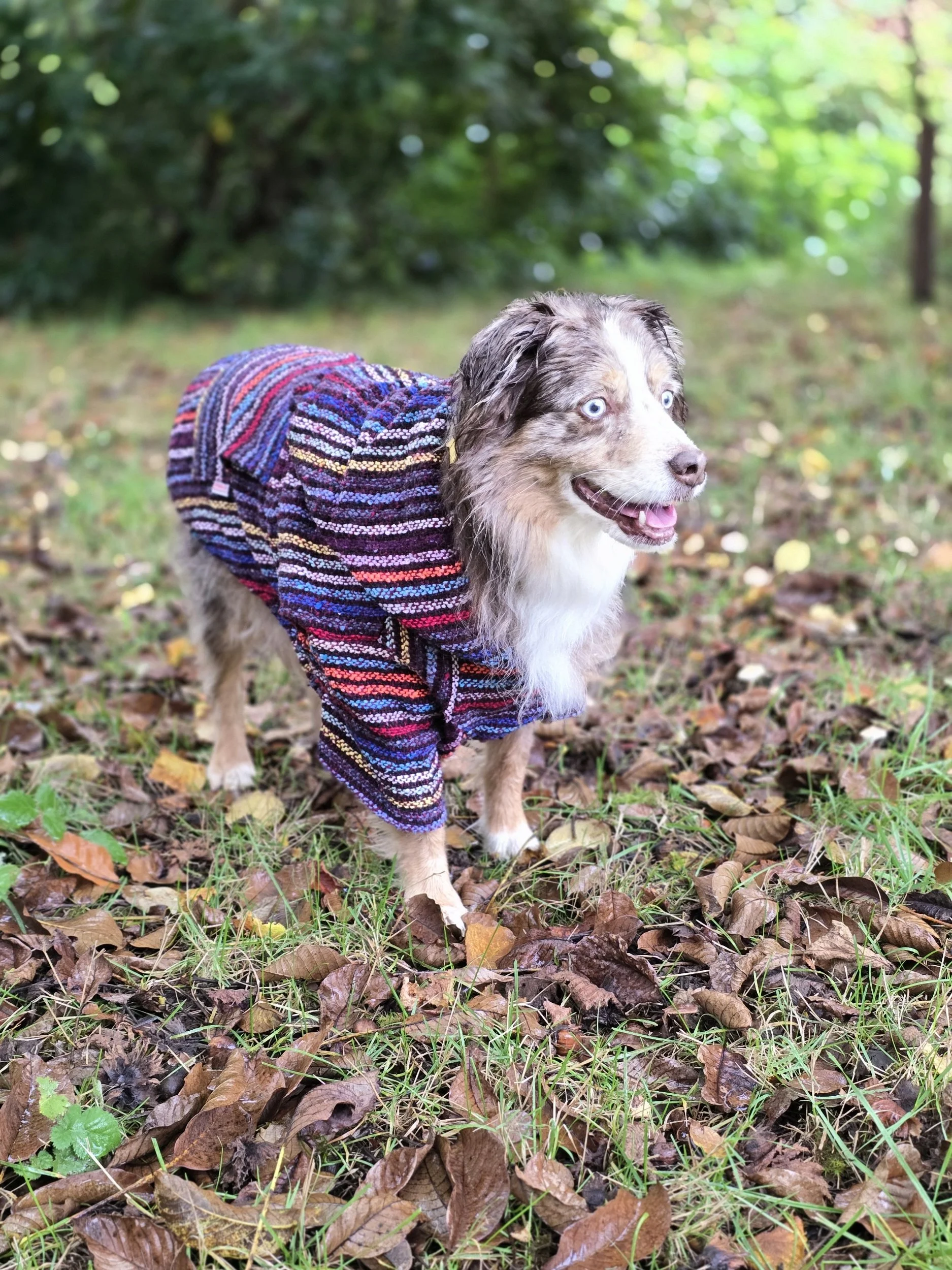
Bijoux enjoying the orchard
Raking and removing leaves or mowing/mulching them regularly helps prevent those wet, decomposing piles from building up. In an orchard, it's also a great opportunity to spot and remove fallen fruit before your dog finds it first.
*Keep compost secured and regularly clean up fallen fruit beneath trees.
🚗 Antifreeze
As temperatures begin dropping, antifreeze becomes another important seasonal hazard.
Ethylene glycol, an ingredient found in some antifreeze products, is extremely toxic to dogs. Even relatively small exposures can cause life-threatening poisoning.
Clean spills immediately, securely store automotive fluids, and keep dogs away from suspicious puddles around garages, vehicles, parking areas, and campsites.
Suspected antifreeze exposure is an emergency.
🐭 Rodenticides
When temperatures drop, rodents start looking for warm places—which means people often start putting out bait.
Different rodenticides contain different active ingredients and can cause very different types of poisoning.
Keep these products completely inaccessible to pets and save the packaging. If an exposure ever occurs, knowing exactly which product and active ingredient were involved can be extremely important for your veterinarian.
This is something to think about away from home, too.
Cabins, barns, garages, campgrounds, vacation rentals, and other people's homes may have rodent bait placed somewhere you don't know about.
🎃 Fall Treats Aren't Always Dog Treats
Pumpkin?
That can be a great dog-friendly treat.
Pumpkin pie? Not so much.
Fall gatherings bring plenty of things our dogs would happily steal: chocolate, grapes and raisins, onions and garlic, alcohol, cooked bones, fatty foods, and sugar-free products that may contain xylitol.
Watch unattended plates, purses, backpacks, low tables, and trash cans when friends and family are visiting.
Sometimes the biggest hazard isn't what we give our dogs.
It's what they steal while we're talking to someone else.
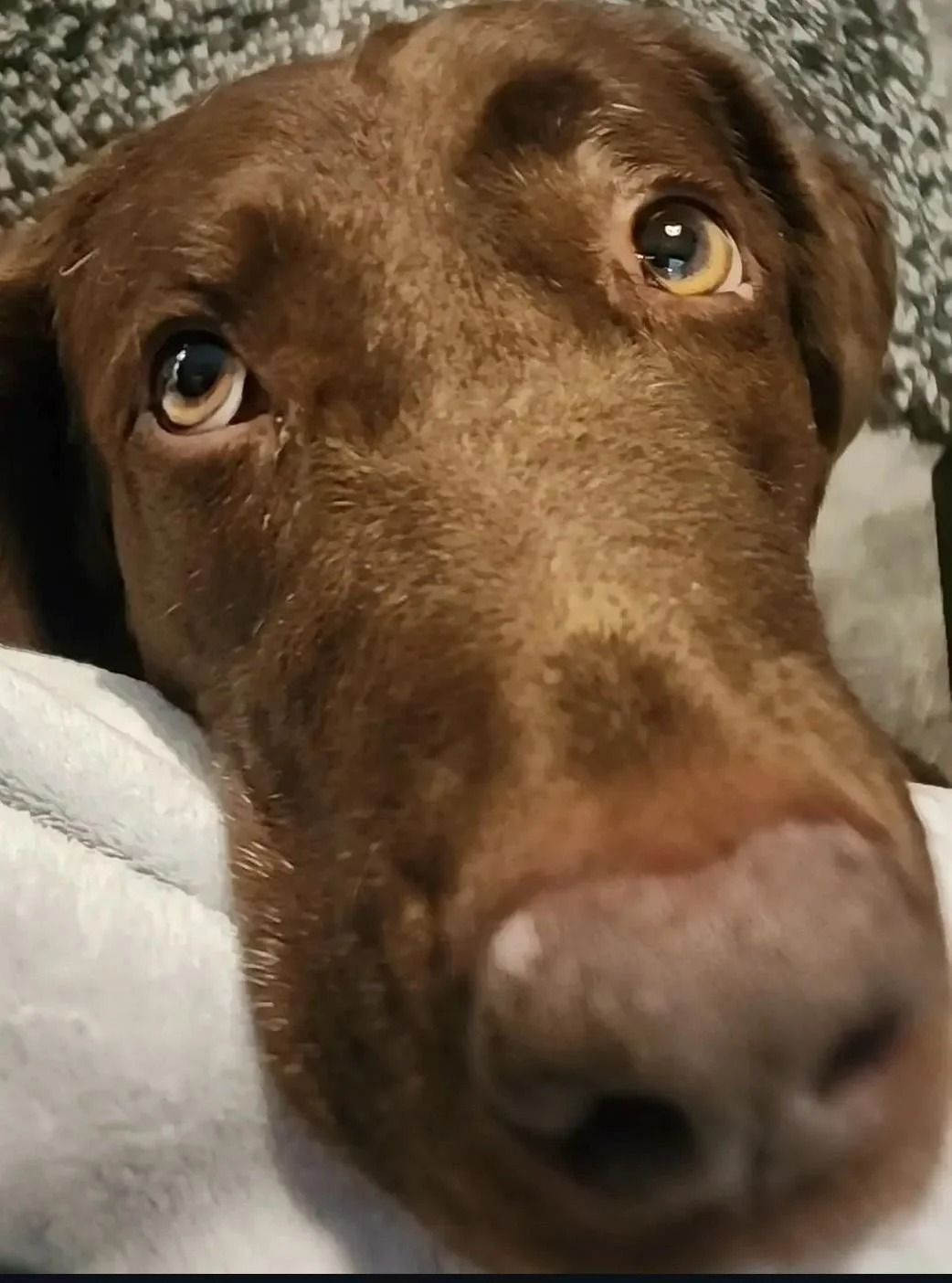
Ambassador Maddie giving her best puppy eyes
Mastering the art of the puppy eyes… because surely no one can say no to this face when treats are involved. 🥺🐾
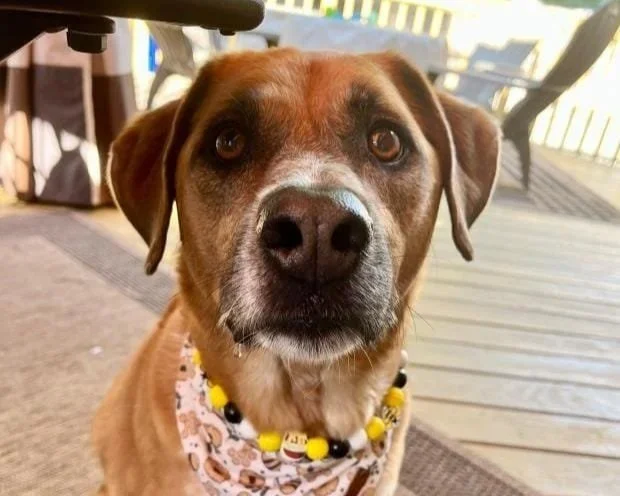
Ambassador Bear displaying his never-failing puppy eyes and drool combo!
Those puppy eyes and a little drool may be convincing… but not every fall treat is meant for sharing. 🍂🐾
🧼 WHEN YOU GET HOME: The Five-Minute Fall Check
Before everyone collapses on the couch after a good fall adventure, spend a few minutes checking your dog.
🐾 Paws: Look between toes and around pads for cuts, thorns, burrs, mud, or irritation.
🕷️ Coat: Check thoroughly for ticks, especially after walking through tall grass or wooded areas.
👂 Ears: Look for seeds, burrs, ticks, or other trail debris.
🍂 Belly & legs: Long-haired dogs can bring an impressive portion of the forest home with them. Check for burrs, sticks, sap, and anything tangled into their coat.
💧 Dry them off: Don't leave a wet dog sitting around getting colder after a chilly hike or swim.
And, of course, check yourself for ticks too!
🍁 Adventure Smarter, Not Less
Fall gives us some of the best dog adventures of the entire year.
There are mushrooms to sniff, leaves to run through, muddy trails to conquer, cooler camping nights, and plenty of excuses to spend just a little longer outside together.
Knowing about seasonal hazards isn't meant to make the outdoors scary.
It simply helps us make better decisions while we're out there.
Pack for the changing weather. Keep an eye on what's going into their mouth. Check the trail ahead. Bring a light. Watch the water temperature. And give those paws and coats a good once-over when you get home.
Then get back out there.
Because fall doesn't last nearly long enough. 🍁🐾